




US MARKET ACCESS
FCC and electrical safety for the US market: two separate workstreams
The short answer
Plan radio-frequency compliance and electrical safety as separate parts of US market preparation. Once the product features and intended use are clear, the team can identify the necessary tests, authorization procedure and responsibilities.
Describe the device’s radio-frequency features
The FCC uses Certification and Supplier’s Declaration of Conformity (SDoC) procedures for equipment authorization. The applicable procedure depends on the device type. Start the application and testing plan with the product classification rather than its marketing name.
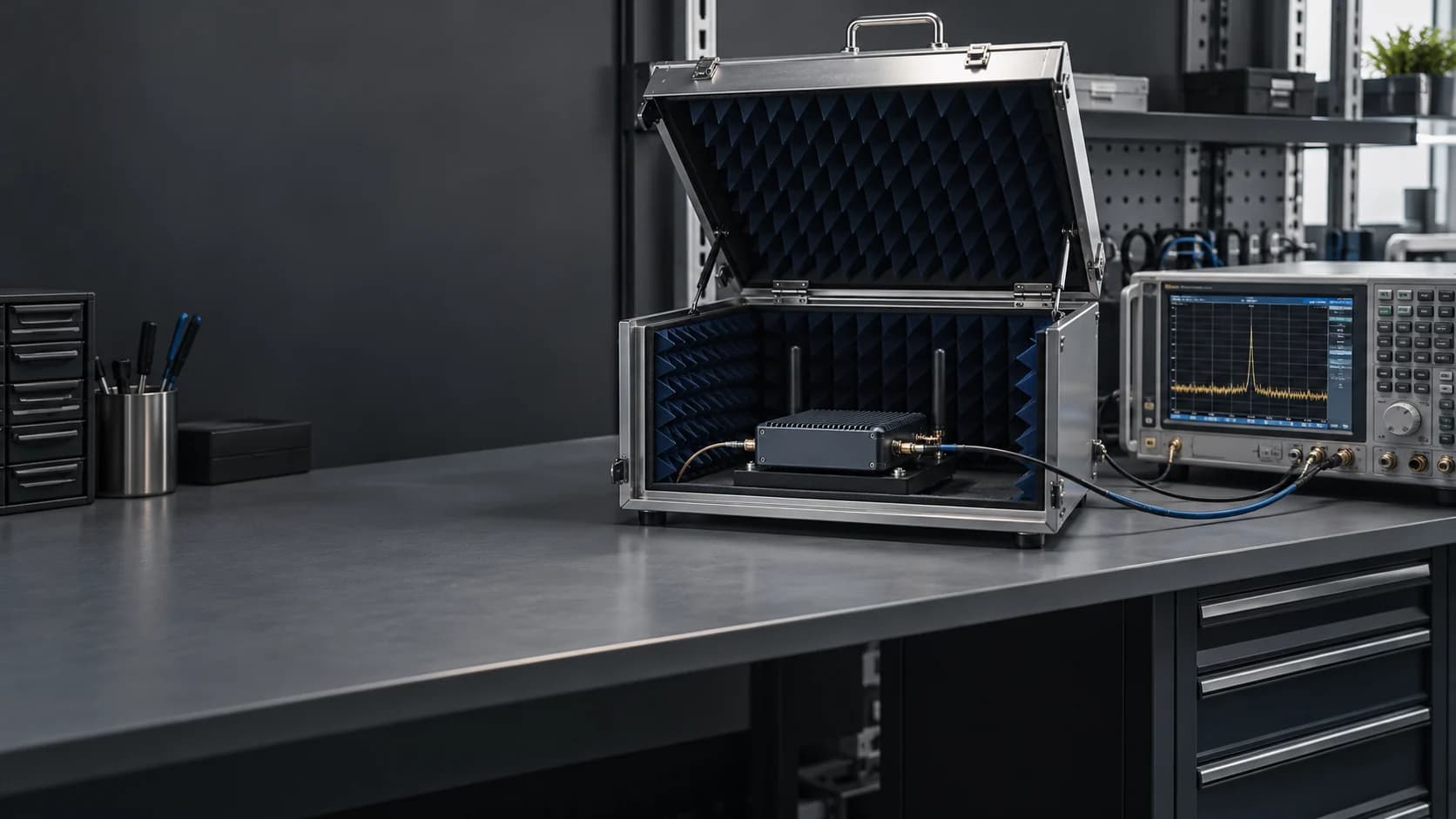
Prepare a technical overview covering wireless functions, operating bands, antennas, modules, digital circuitry and power options. If the product incorporates a module, provide its existing documentation and integration conditions for review. A component’s certification should not be assumed to cover every requirement for the finished product. Establish which assessments the final design needs as part of the project scope.
Agree on responsibilities when requesting a quotation
For products subject to SDoC, the compliance information must identify the US-based responsible party. The FCC notice explains this requirement. Resolve the responsibility during preparation instead of treating it as an address detail to be added after shipment.
Set out the deliverables for the manufacturer, importer, distributor and testing provider. Who retains the reports, reviews the label draft and answers technical questions? Ask whether a quotation covers testing, application coordination or a separate certification procedure. Clear definitions prevent different parties from using the same terms for different services.
Assess electrical safety in its intended setting
OSHA’s NRTL program concerns the safety assessment of certain products used in workplaces. Recognised laboratories can have different scopes, and the requirements do not apply identically to every product. Consider the product, applicable standard and intended workplace use together.
Ask the buyer about the installation environment, local acceptance requirements and any safety provisions in the sales contract. Include the power supply, accessible parts, enclosure, temperatures and maintenance conditions in the technical review. Completing FCC work does not mean that electrical safety work is complete. The two assessments may use the same sample and design records, but address different requirements.
Create a one-page US project checklist
- The target customer, intended use and all wireless functions are documented.
- Module, antenna, power adapter and software versions match the final sample.
- The FCC scope and appropriate authorization procedure have been reviewed for the product.
- Responsibilities for the required responsible party, labelling and records are assigned.
- Electrical safety and any relevant NRTL requirements have been assessed separately.
- The quotation distinguishes samples, reports, application support, revisions and deliverables.
Allow time for more than laboratory measurements. Completing the sample, answering design questions, reviewing documents and preparing labels also affect the schedule. Record which part of the assessment is affected whenever the design changes. This approach helps identify which evidence prepared for Europe needs further review for the US market; it does not itself guarantee market acceptance.
Official sources
Sources checked:
- FCC · Equipment authorization guidance (DA 24-415)
- FCC · SDoC compliance information (DA 19-91)
- OSHA · Nationally Recognized Testing Laboratory: FAQ
Scope depends on the product, intended use and target market. This article does not constitute a product conformity decision.
NEXUSTEST
Plan your US market preparation with us
Share your product features and intended use. We can help identify the next steps for FCC compliance, electrical safety and supporting documentation.
Discuss your project