Electromagnetic Compatibility (EMC) Tests
Tests that evaluate whether your electronic devices can operate compatibly with each other, their surrounding environment, and nature.
What is Electromagnetic Compatibility?
EMC (Electromagnetic Compatibility), or EMU (Elektromanyetik Uyumluluk) as translated into Turkish, refers to tests that evaluate whether devices that can interact via electromagnetic fields can operate compatibly with each other, their surrounding environment, and nature.
A product can only be evaluated within the scope of EMC testing if it either emits electromagnetic signals (emission) or receives electromagnetic signals from outside (immunity).
Example from Daily Life
The strange sounds coming from your speaker when your phone rings next to it are caused by electromagnetic interference.
Test Scope
EMC Test evaluates the interaction situations that may arise as electronic devices get closer to each other.
EMC Directive 2014/30/EU
A directive that provides guidelines for electronic devices to prevent them from causing magnetic interference and being disrupted when they are close to each other. You must perform EMC testing to certify that the electronic devices you place on the market are compatible with each other.
EMC Test Types
EMC tests are carried out under two main categories
Immunity Tests
Measures the device's resistance to external electromagnetic effects
Emission Tests
Evaluates the electromagnetic pollution emitted by the device to the environment
Immunity Tests
Measures the device's resistance to external electromagnetic effects
Emission Tests
Evaluates the electromagnetic pollution emitted by the device to the environment
Radiated emission test
Measures the radio frequencies emitted by the device into the environment while operating
Conducted emission test
Measures the electromagnetic pollution generated on the mains
Click test (Discontinuous disturbance)
Discontinuous disturbance measurements are performed
Harmonics test
Measurement up to the 40th harmonic at 50 Hz frequency
Voltage fluctuations and flicker test
Measures the voltages created on the power supply
Disturbance power test
Evaluates the electromagnetic disturbance power
EMC Directive Test Standards
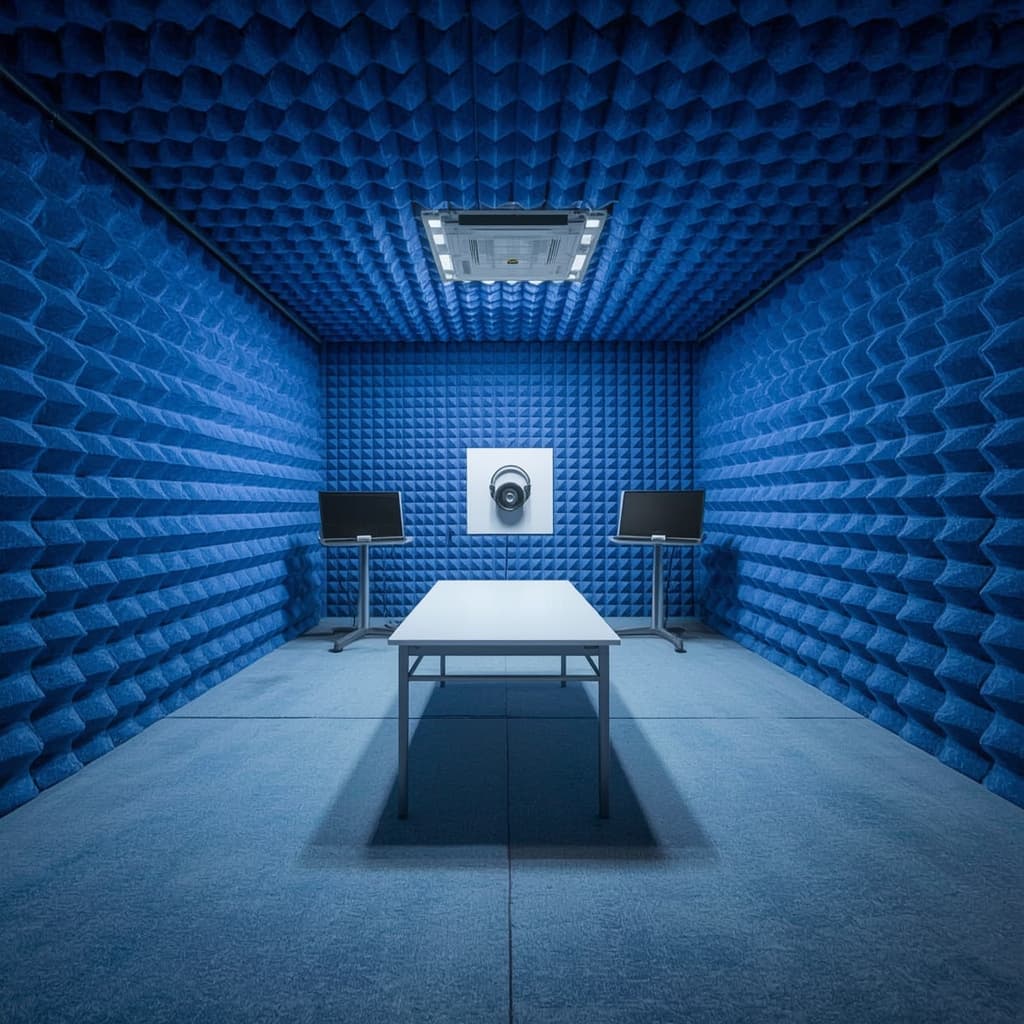
Anechoic Chamber Tests
- TS EN 61000-4-3 Radiated, RF, Electromagnetic Field Immunity
Conducted Immunity Cage
- TS EN 61000-4-2 Electrostatic Discharge Immunity
- TS EN 61000-4-4 Electrical Fast Transient/Burst Immunity
- TS EN 61000-4-5 Surge Immunity
- TS EN 61000-4-6 Immunity to Conducted Disturbances Induced by RF Fields
- TS EN 61000-4-8 Power Frequency Magnetic Field Immunity
- TS EN 61000-4-9 Pulse-shaped Magnetic Fields Immunity
- TS EN 61000-4-10 Damped Oscillatory Magnetic Field Test
- TS EN 61000-4-11 Voltage Dips, Short Interruptions and Voltage Variations
Conducted Emission Tests
- TS EN 55011, TS 55032, TS EN 55014-1, TS EN 55032 Terminal disturbance voltage
Lighting Equipment Tests
- TS EN 55015 Conducted and radiated disturbance measurements from lighting equipment
- TS EN 61547 Immunity measurements from lighting equipment
Harmonic & Flicker Tests
- TS EN 61000-3-2 Harmonic current emissions
- TS EN 61000-3-3 Voltage Fluctuations and Flicker Test
- TS EN 61000-4-13 Harmonic Immunity Tests
Open Area Tests
- TS EN 55011, TS EN 55032, TS EN 55035 Emission disturbance measurements
Why is EMC Testing Important?
Without EMC testing, you cannot legally sell your electronic products and may face economic losses
Legal Compliance
Selling products in compliance with EU and national regulations
Product Safety
Preventing problems caused by electromagnetic interference
Competitive Advantage
Market advantage with certified quality
Risk Management
Preventing economic losses and legal problems